Carina Loop Waterwise Demonstration Garden
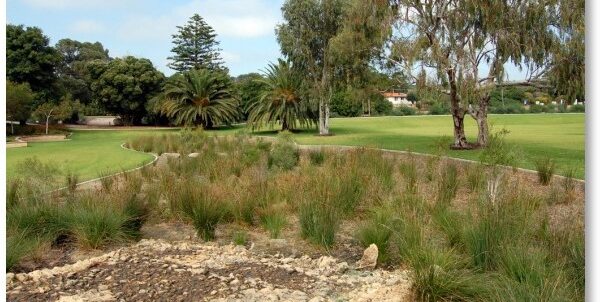
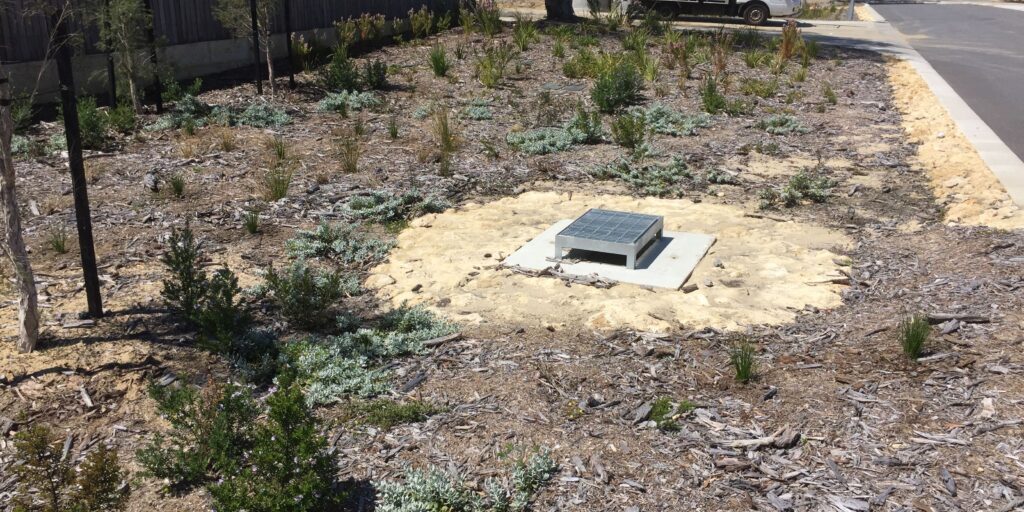
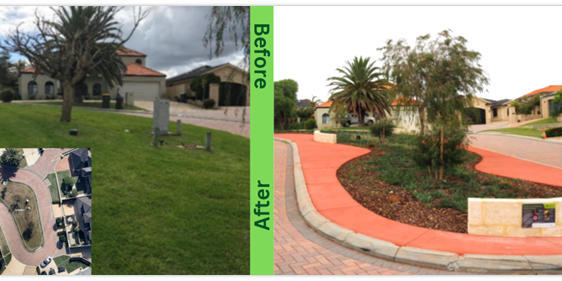
Joondalup’s waterwise demonstration garden replaces thirsty plants with native species, reducing water usage while enhancing biodiversity. The project educates residents about waterwise practices and fosters a cooler, greener urban environment.
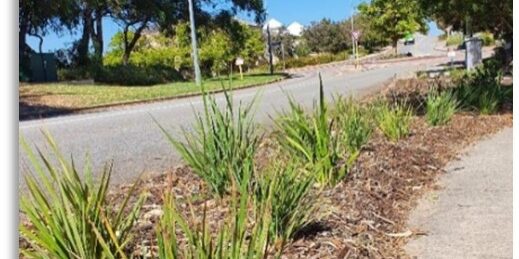
Swansea Park Waterwise Demonstration Garden
Perth’s water challenges can be tackled by ecozoning; converting turf to waterwise gardens. Mosman Park’s initiative educates and inspires residents, reducing water usage.
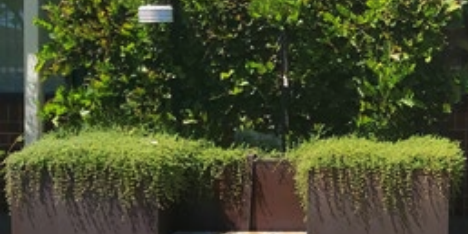
Green Facades
This study at Bentley Primary School shows that green walls irrigated with greywater improve water quality, offer thermal comfort, and enhance sustainability.
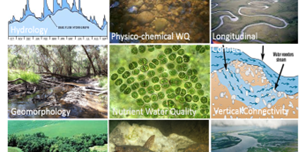
RESTORE Tool
RESTORE, developed by CRCWSC, aids urban waterway repair. It assesses site conditions and prioritizes ecosystem components like hydrology, geomorphology, and biota. This Case Study looks at the application of RESTORE in Saint Leonards Creek.
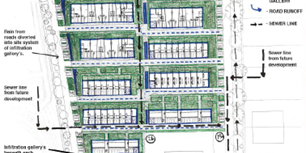
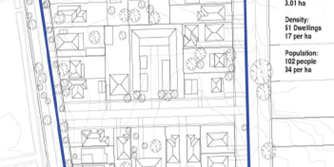
Knutsford Case Study 1: Water sensitive infill
CRCWSC’s tools quantify the benefits of water sensitive development. The Knutsford case study demonstrates water sensitive approach outperforming business-as-usual in water management, urban heat reduction, and economic viability.
Knutsford Case Study 2: BCA
CRCWSC’s BCA Tool assesses investments for water sensitive cities, aiding balanced decision-making by considering project benefits, costs, and risks for stakeholders. The Knutsford Development case study showcases its tangible benefits.
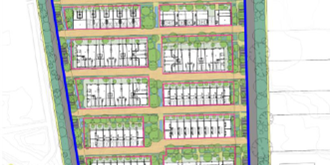
Knutsford Case Study 3: Water assessment
The CRCWSC’s Infill Performance Evaluation Framework assesses water performance and architectural quality, showcasing benefits of water sensitive design through the Knutsford case study.
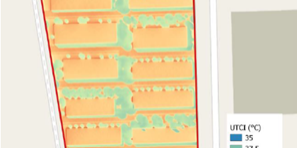
Knutsford Case Study 4: Heat assessment
Knutsford’s water-sensitive development solutions mitigate urban heat by reducing hard surfaces and increasing vegetation, offering cooler environments and enhancing community well-being.
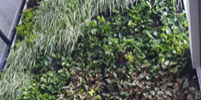
Verdant Green
Verdant, a residential tower in Perth, features a 6-story external and 3-story internal green wall, offering cooling, noise reduction, and biodiversity. Despite challenges, they enhance amenity, promoting well-being, and are key selling points.
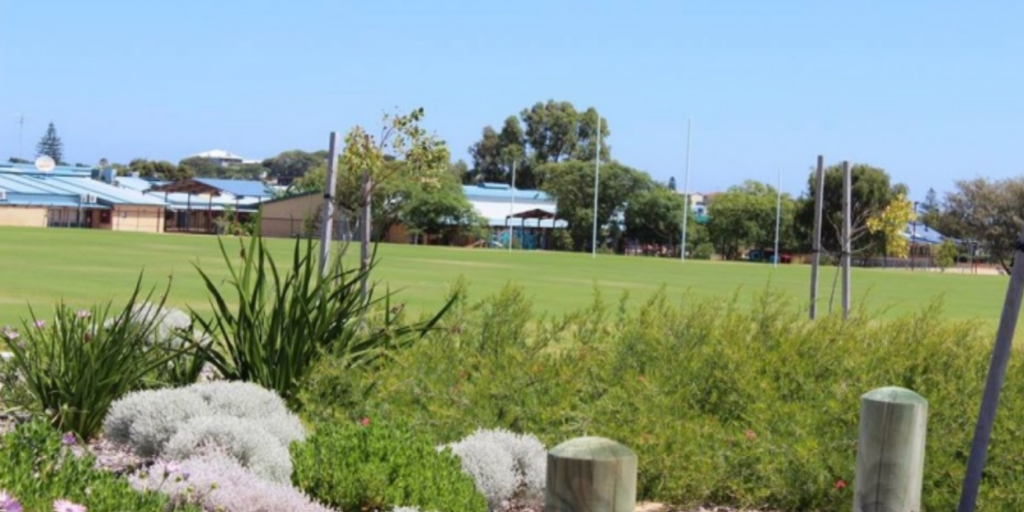
BCA on Mandurah MAR Project
This case study shows the use of the BCA tool on different project scenarios within the City of Mandurah.
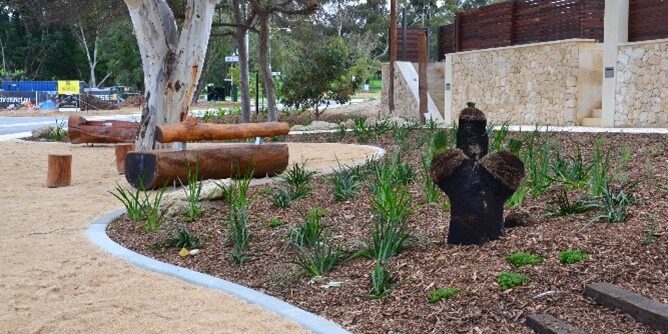
White Gum Valley: Water Sensitive Development
White Gum Valley (WGV) precinct in Perth showcases sustainable urban development with diverse housing options, achieving significant water and energy efficiency through innovative solutions.
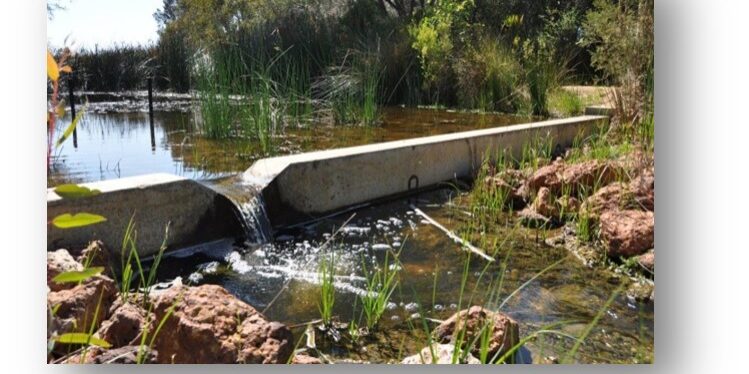
Wharf St Urban Wetland
The Wharf Street Wetland and Civic Centre Parklands in Cannington treat stormwater to enhance water quality, promote biodiversity, mitigate flooding, improve amenity, and adapt to climate change.
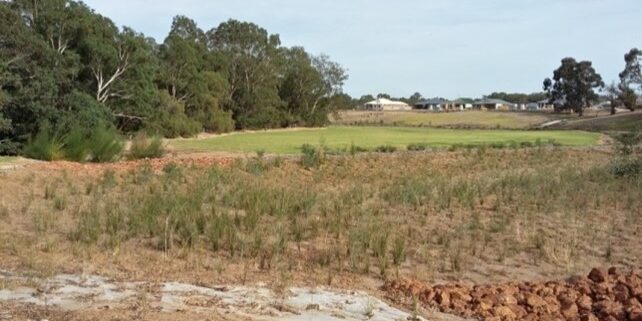
West Martin Urban Wetland
Riverhaven Estate, managed by Primewest, integrates eco-friendly design to enhance water quality. It relocates stormwater infrastructure to the foreshore, improving ecological health and water treatment.
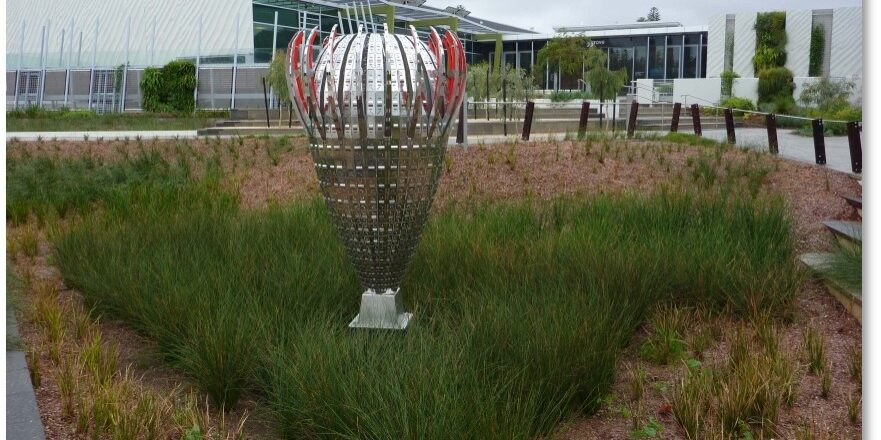
The Grove
The Grove project showcases water efficiency with rainwater capture, onsite treatment, and reuse. It employs native plant-based stormwater treatment and green walls for cooling.
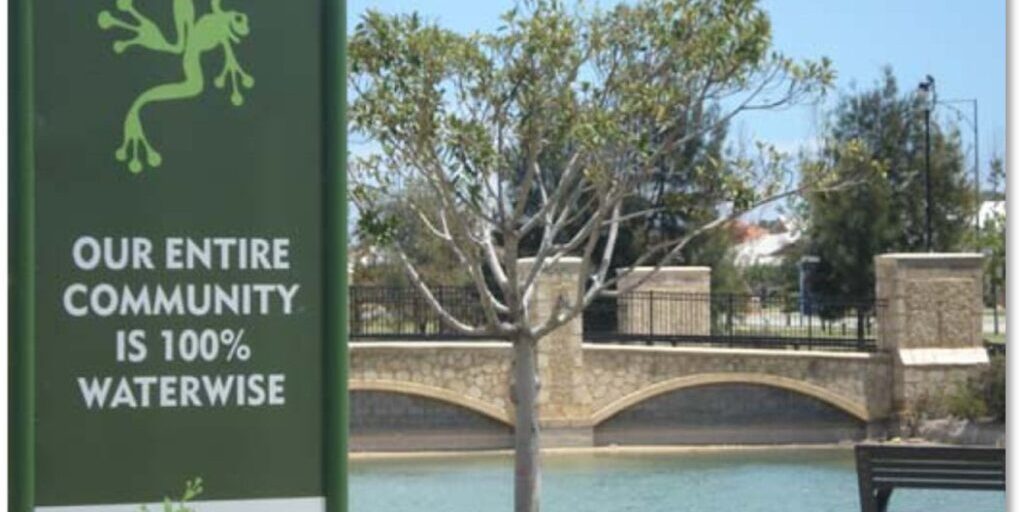
The Green at Brighton
‘The Green’ development in Wanneroo incorporates a non-drinking water system for irrigation, weather-controlled watering, and community support. Data suggests significant household water reduction compared to Perth average.
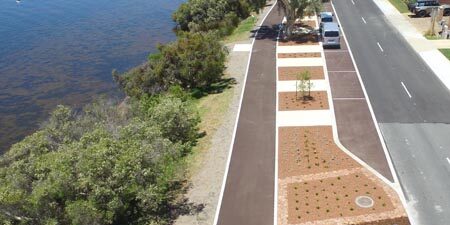
The Esplanade
The Esplanade road reserve in Brentwood underwent a biofilter-based stormwater management project by the City of Melville, enhancing water quality and streetscape while reducing maintenance costs.

Rosehill Waters
Rosehill Waters in South Guildford prioritizes water-sensitive urban design, featuring energy efficient fixtures, native landscaping, and living streams retrofit for stormwater treatment.
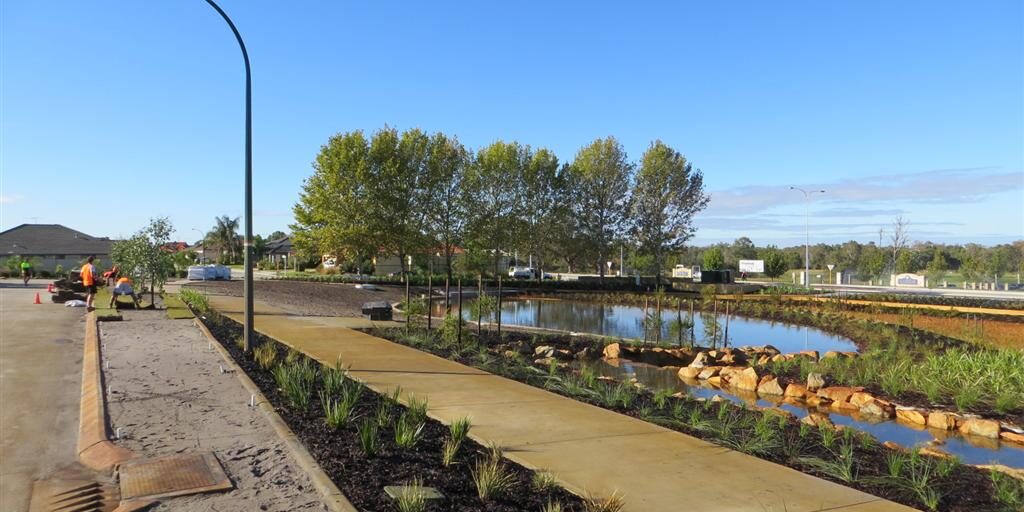
Parkfield Lake Retrofit
Parkfield public open space in Bertram underwent a retrofit to address algal blooms, flooding, and groundwater issues. The design improved water quality and promoted biodiversity.
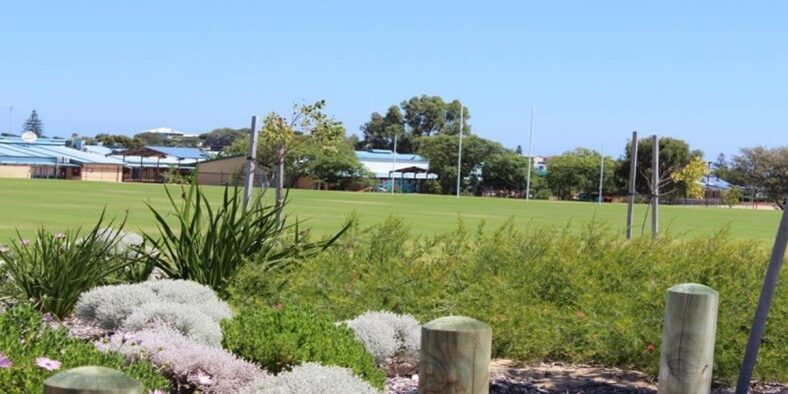
Mandurah MAR
To address insufficient public open space due to population growth, Mandurah utilized Managed Aquifer Recharge with treated wastewater, providing sustainable irrigation at lower costs for recreational areas.
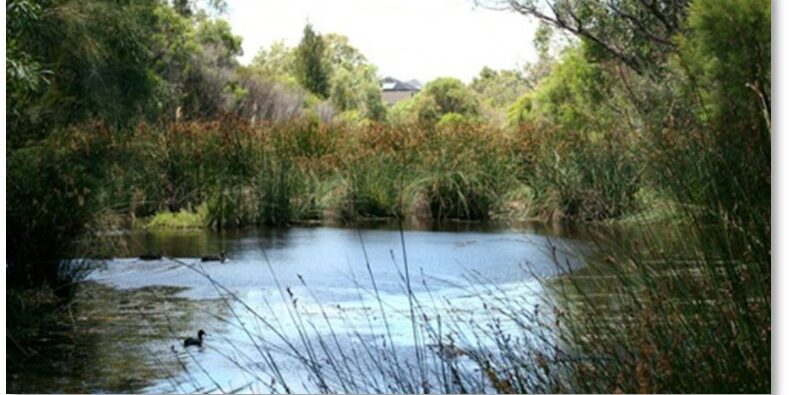
Leige Street Wetland
The Liege Street Constructed Wetland aims to mitigate nutrient loading into the Canning River.
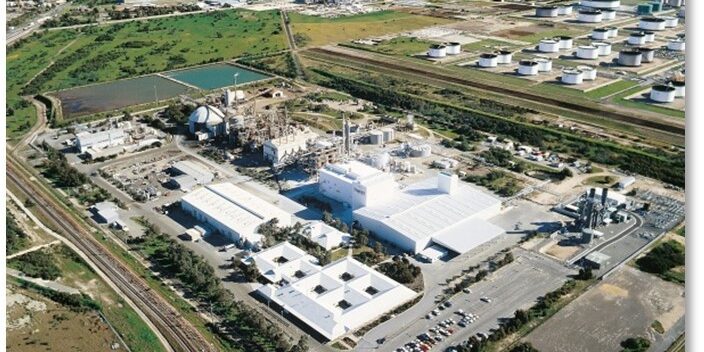
Kwinana Water Reclamation Plant
The Kwinana Water Reclamation Plant (KWRP) in Western Australia utilizes treated wastewater to supply industrial demand, reducing reliance on scheme water with recognized environmental benefits.
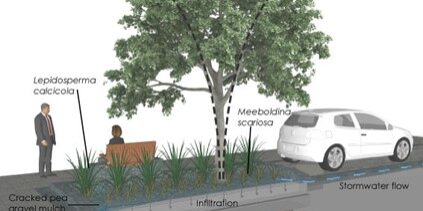
King Square Raingardens
The Perth City Link project integrates water-sensitive stormwater management, featuring raingardens for retention and filtration. Safety measures and native plant selection enhance urban aesthetics and ecological integrity.
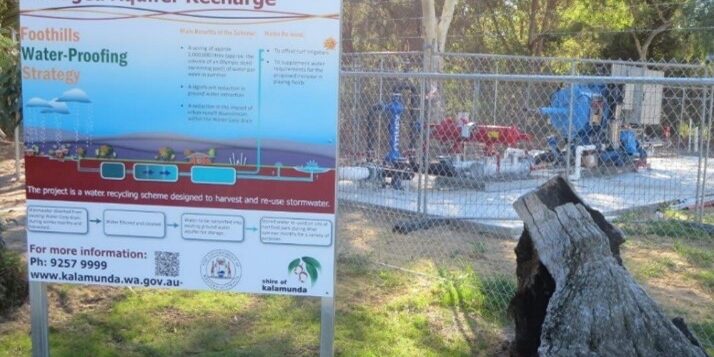
Hartfield Park MAR
The Hartfield Park MAR project addresses water needs in Kalamunda through stormwater harvesting and aquifer recharge, overcoming challenges of approvals and filtration, with promising initial trials and minimal ongoing maintenance.
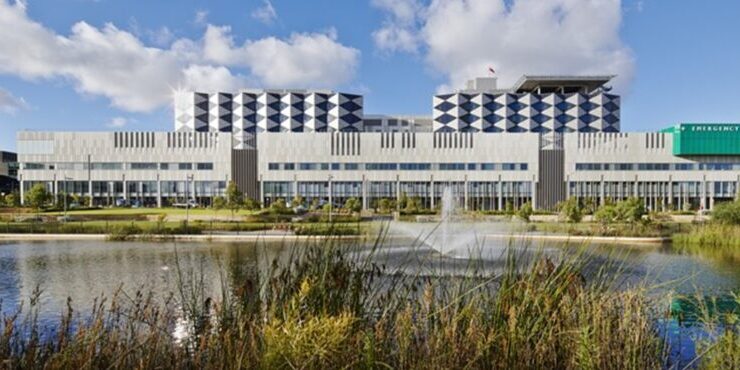
Fiona Stanley Hospital
The Fiona Stanley Hospital incorporates water-sensitive urban design principles, managing stormwater on-site through infiltration, reuse, and evapotranspiration, while preserving habitat and reducing water demand.
Evermore Heights
Evermore Heights integrates water-sensitive urban design with dual reticulation systems, rainwater harvesting, and native landscaping, achieving a 68% reduction in scheme water use and influencing Water Corporation policies.
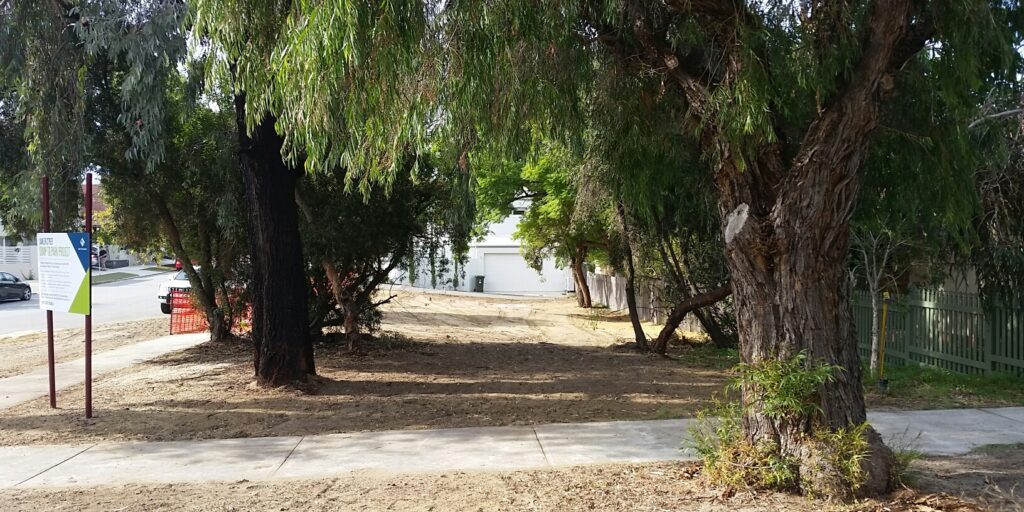
City of Vincent Lawler St Sump to Park
The City of Vincent transformed an unused drainage sump into a vibrant pocket park, enhancing community access to open space, increasing stormwater storage, and reducing flood risk by 50%.
Cottesloe Aquifer Recharge
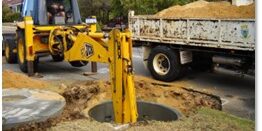
The Town of Cottesloe initiated the Aquifer Recharge project to address groundwater challenges, managing pollutants, mitigating saltwater intrusion, and promoting water conservation through community education and incentives.