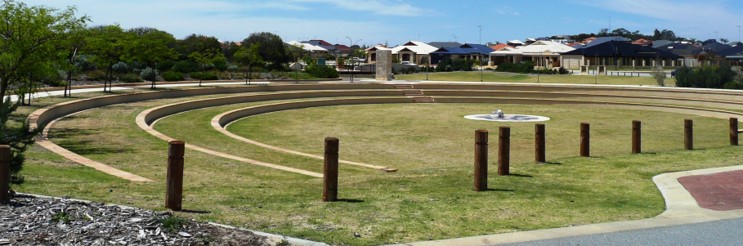
A water sensitive city is ...
a place where communities care about and value water, while making best use of its various sources (groundwater, dams, stormwater, sea water and wastewater).
The city serves as a catchment and provides healthy natural environments, supporting a range of cultural, social, ecological and economic benefits.
A water sensitive community is sustainable over the long term, economically productive, highly liveable and resilient to extreme weather events. It is a vibrant community where our connection with water enhances our quality of life.
Source: Kep Katitjin – Gabi Kaadadjan, Government of WA, 2022
Water sensitive communities are delivered through the application of water sensitive urban design (WSUD) and integrated water cycle management (IWCM).
The National Water Commission defined IWCM as the integration of water supply, sewerage and stormwater, so that water is used optimally within a catchment resource, state and national policy context.
It promotes the coordinated planning, development and management of water, land and relation resources (including energy use) that are linked to urban areas and the application of WSUD principles within the built urban environment.