The United Nations suggests that: In the global context, capacity refers to the ability of individuals and institutions to make and implement decisions and perform functions in an effective, efficient and sustainable manner. This should be considered at three levels:
- At the individual level, capacity building refers to the process of changing attitudes and behaviours - imparting knowledge and developing skills while maximising the benefits of participation, knowledge exchange and ownership.
- At the institutional level it focuses on the overall organisational performance and functioning capabilities, as well as the ability of an organisation to adapt to change.
- At the systemic level it emphasises the overall policy framework in which individuals and organisations operate and interact with the external environment.
New WAter Ways seeks to undertake specific and targeted capacity building initiatives at all levels, not just the individual (human resource capacity). These include:
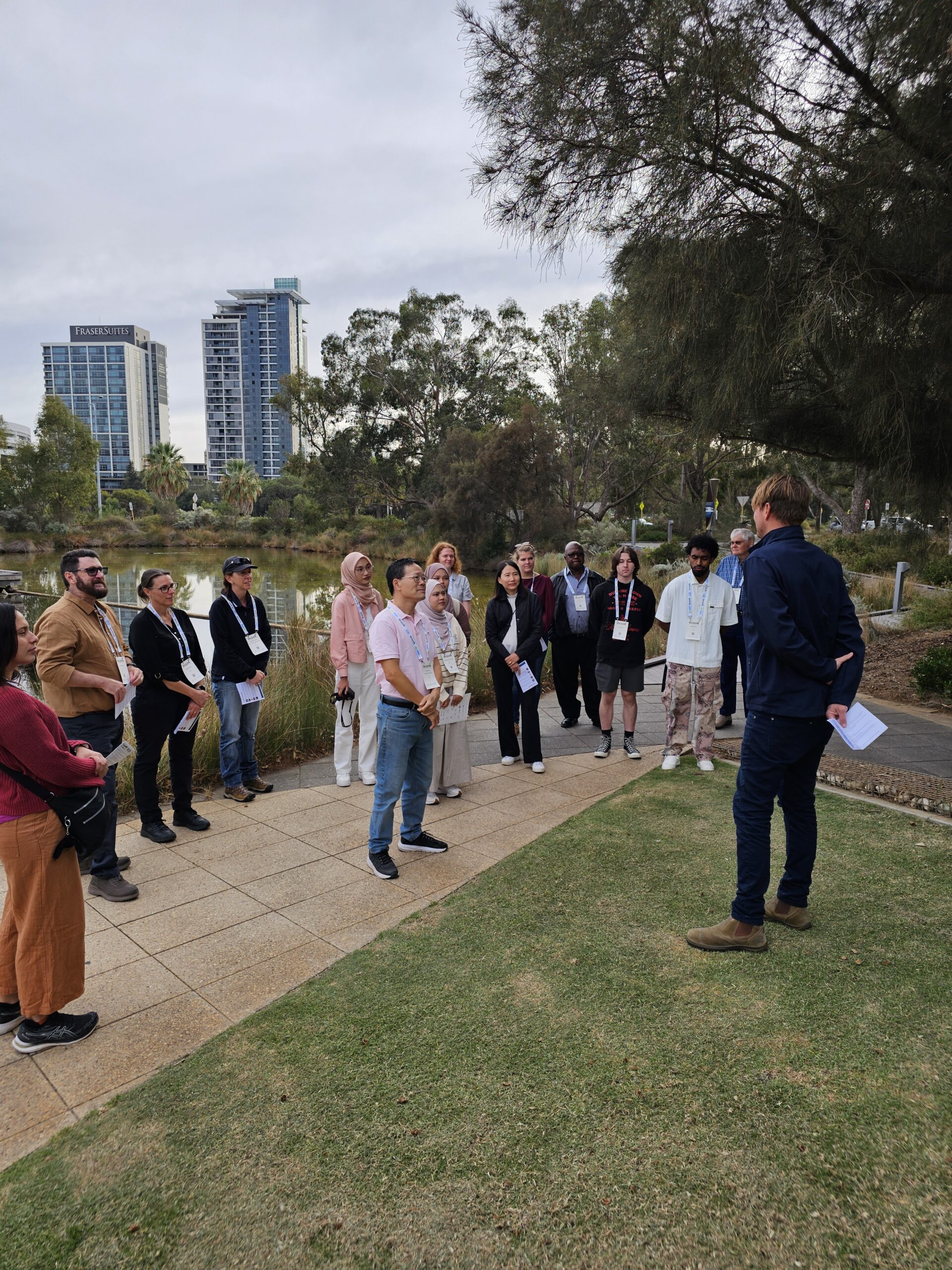
- training sessions, bus tours, case studies & fact sheets, newsletters, NWW resource library, and workshops for in-depth discussion of specific topics at an individual level
- inter-organisational workshops to assist in the delivery of water sensitive communities, such as cross-agency training in collaboration and/or policy, process or strategy development
- industry tours, networking events, cross-industry discussions and facilitation of partnerships and participation in policy reforms.
New WAter Ways recognises that capacity building is a change process that should be actively steered towards an agreed outcome. We recognise that is a long term process that should involve all stakeholders. New WAter Ways is committed to assisting industry to support Boorloo (Perth) and Bindjareb (Peel) to become water sensitive communities, as outlined in the Vision and Transition Strategy for a Water Sensitive Greater Perth (CRCWSC, 2018).